WildeBeef is the operating system for regenerative African ranching. We begin by digitizing the entire ranch — every animal, every hectare, every day's work — and build, in phases, toward grassland restored at continental scale.
What we believe
The world is told that cattle are the problem. We believe the opposite.
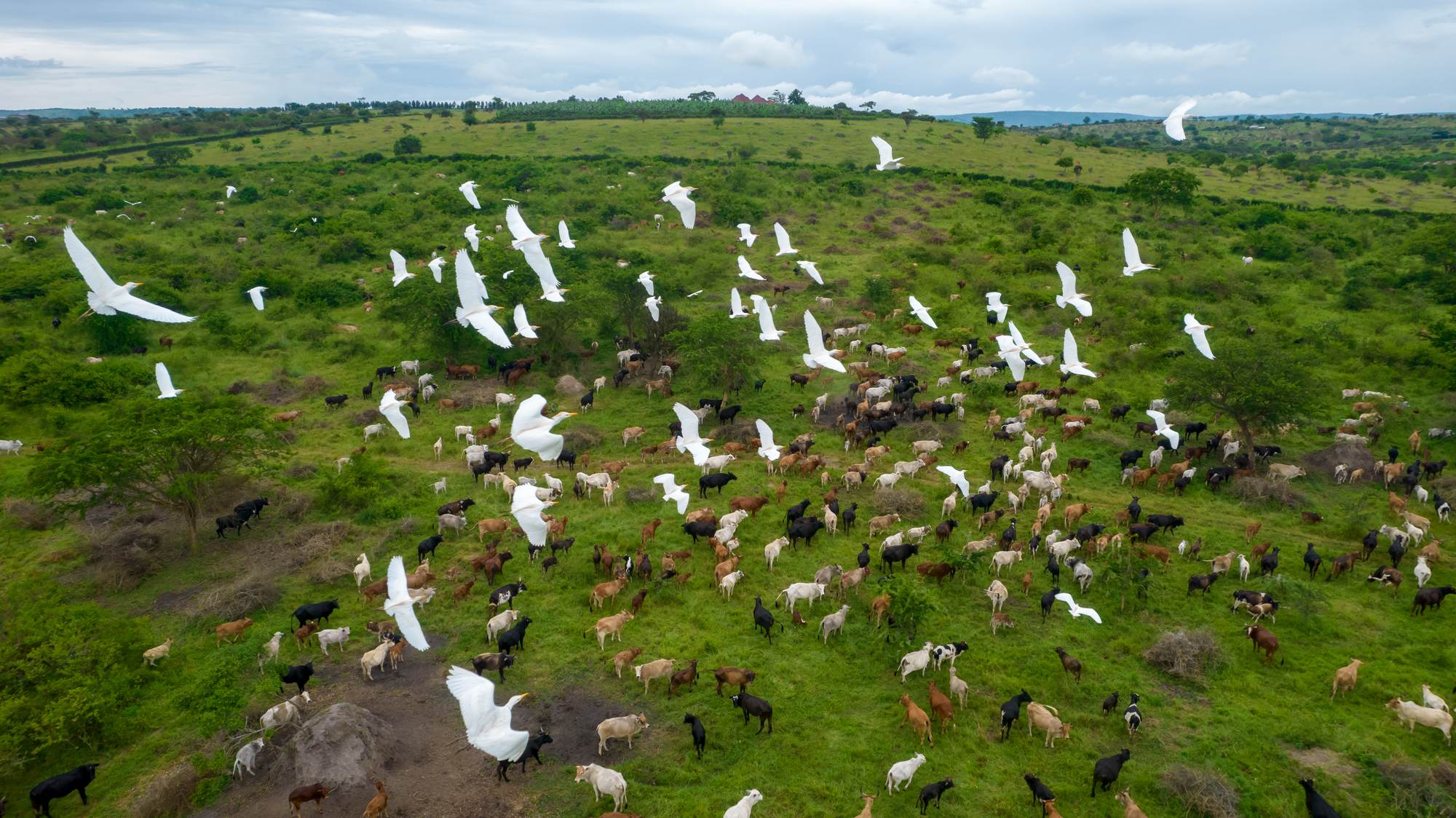
The African savannah was created and kept alive by great herds of grazing animals — graze, trample, move, rest, and the grass comes back deeper and stronger. Remove the herd and the land degrades; manage it well and the land heals: soil builds, grass returns, carbon goes back into the ground.
And the healing flows both ways. Land that recovers grows deeper, richer grass — and richer grass grows healthier, more valuable cattle. What is good for the savannah is good for the herd, and for the people who keep it.
The problem was never the cow. It is how the cow is managed. WildeBeef exists to manage it right — at scale.
The journey has begun: WildeBeef is on the ground in South Africa and Uganda — the first steps of a continental ambition.
Why ranches struggle
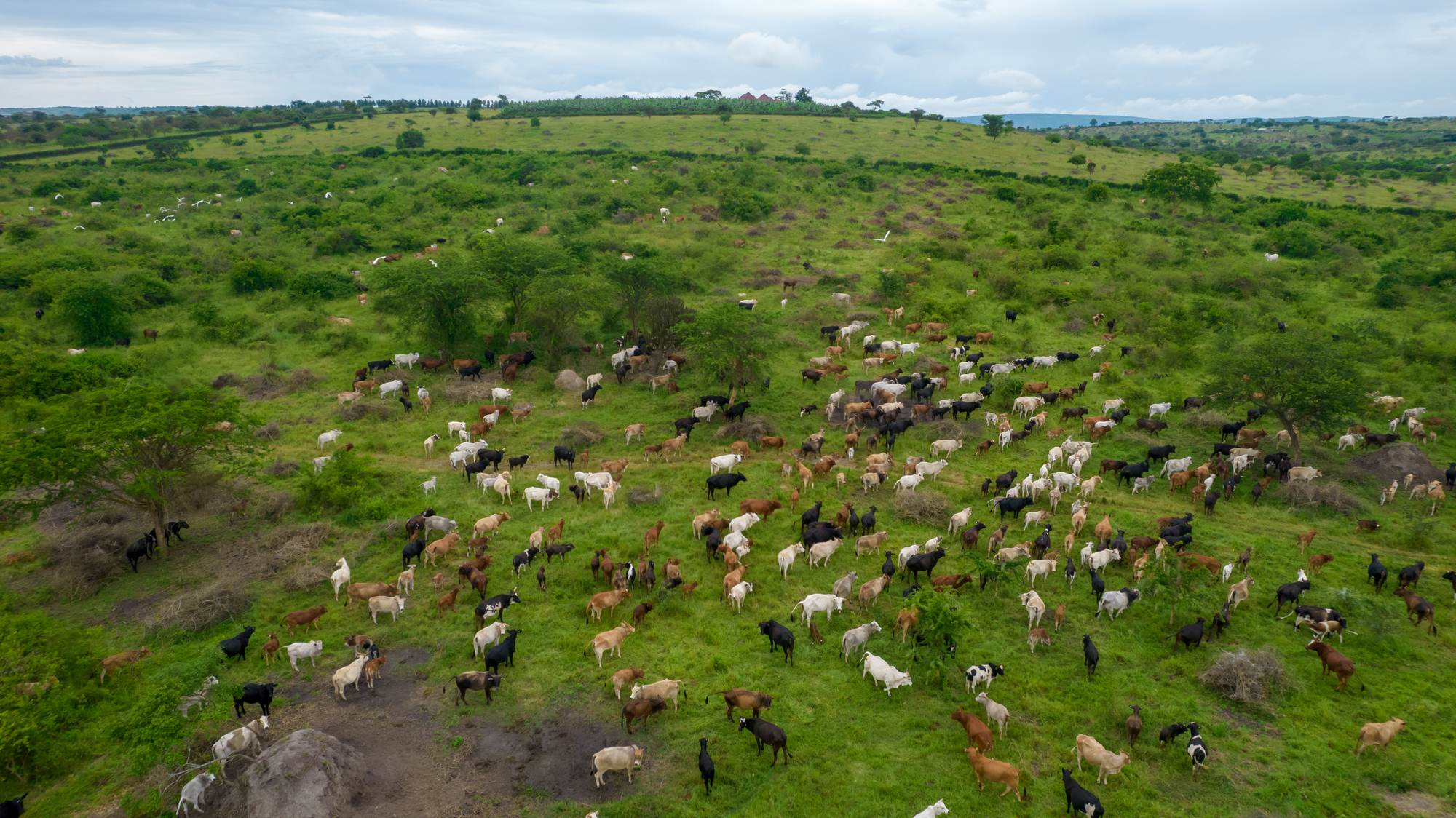
No accurate animal count. Deaths discovered weeks late. Infertile bulls and freeloader cows no one can name. Drug costs no one can see. These are not farming problems — they are information problems. And until now, no one could solve them affordably at scale.
Where we start · Phase 1 · Available now
Before you can regenerate a ranch, you have to see it — all of it. So we begin by turning your entire operation into one living record.
The animals
Identified and followed through its whole life — weight, health, movement, lineage.
The land
Grass, water, and recovery, watched season round — paddock by paddock.
The operations
Tasks, treatments, and costs, logged as they happen.
How it works
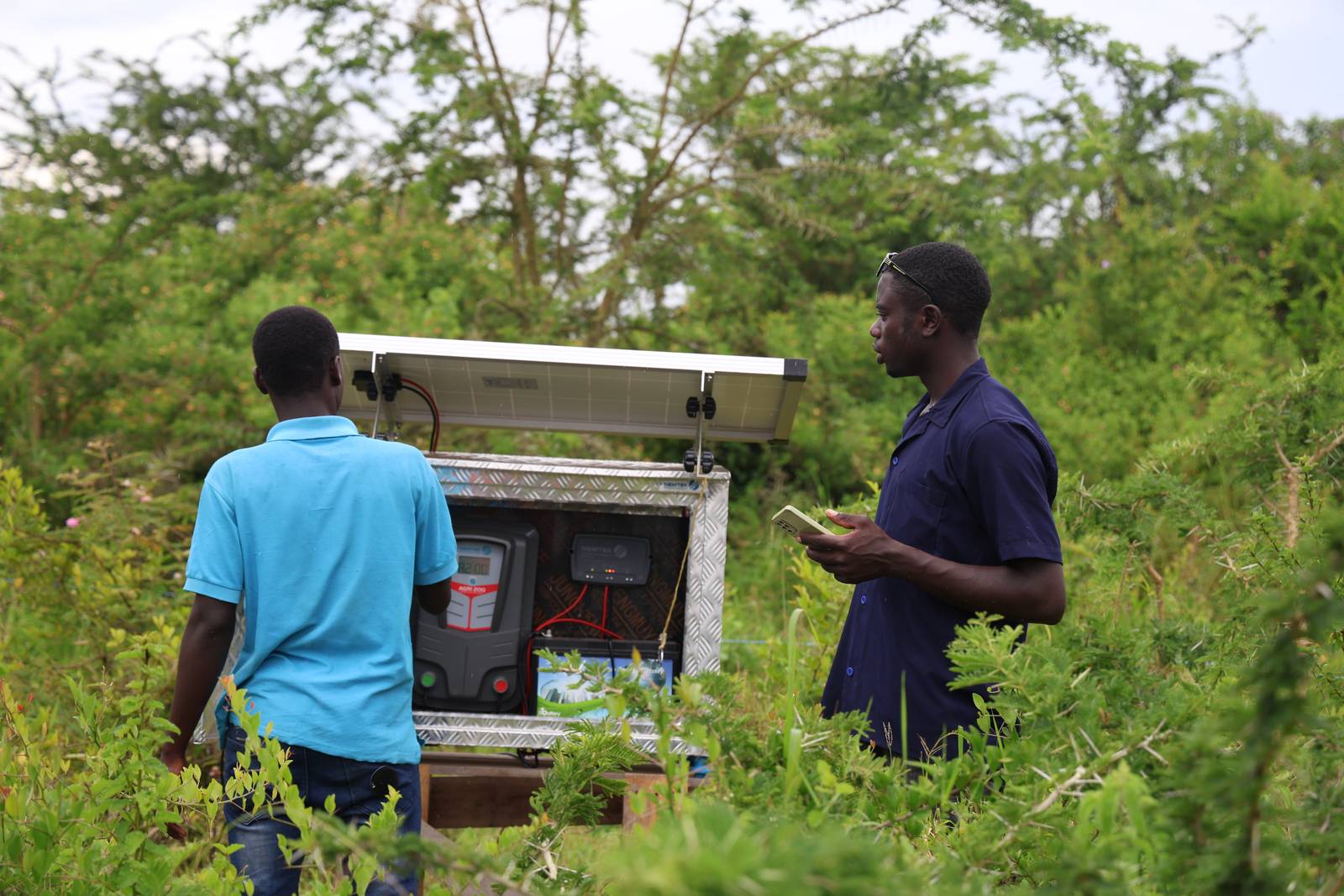
Automated eyes across the ranch — cameras, sensors, scales, drones, satellites — working alongside a trained team on the ground, capturing what machines can't.
Each stream is ground-truthed for consistency, accuracy, and reliability, so the record reflects reality — not guesswork.
Full reporting at a regular cadence — delivered how you like it, where you like it.
What it unlocks
The herd, the land, the day's work — all of it visible as it happens, from wherever you are. Decisions stop being guesses. Profit stops leaking. The missing animal, the freeloading cow, the infertile bull, the invisible cost: seen at last, and dealt with.
Where this goes
Phase 1 gives you control of what you have. The same data foundation then unlocks each next step — only when your farm is ready for it.
The whole ranch — animals, land, operations — in one assured record, with the visibility to steer it.
Rotational, then mob grazing: more grass, healthier land — and healthier, higher-value cattle.
Verified carbon credits, cattle-backed financing, insurance.
Verified trade, shared knowledge, scale.
Millions of hectares of African savannah restored, paying for its own restoration.
More than land
Regenerative ranching doesn't only heal soil — it rebuilds rural economies. Owners run profitable farms. Herders earn more for work done well, and find deeper fulfilment in the work itself. Theft falls. Skills grow. Young people find a future in cattle worth staying for. The land and the people recover together — because on the savannah, they always have.

Why now
For decades, the mistreatment of nature has fed a race to the bottom — land pushed harder as it gives back less, degrading year after year. That is what makes action urgent. Yet the remedies have been known for generations: rest the land, move the herd, let the grass return. What is new is the ability to apply them efficiently and effectively, at the scale the savannah demands. That is why WildeBeef exists today.
Join the movement
We onboard farms in regional clusters, a limited number at a time. Add your ranch to the waitlist and we'll reach out as we open your region.
Join the founding cohort — your whole ranch digitized now, the regenerative journey next.
Follow the work, partner with us, or build with us — we're growing a team of vets, herders, and engineers.